

How Can Countries Use Earth Observation for Disaster Risk Reduction (EO4DRR)?

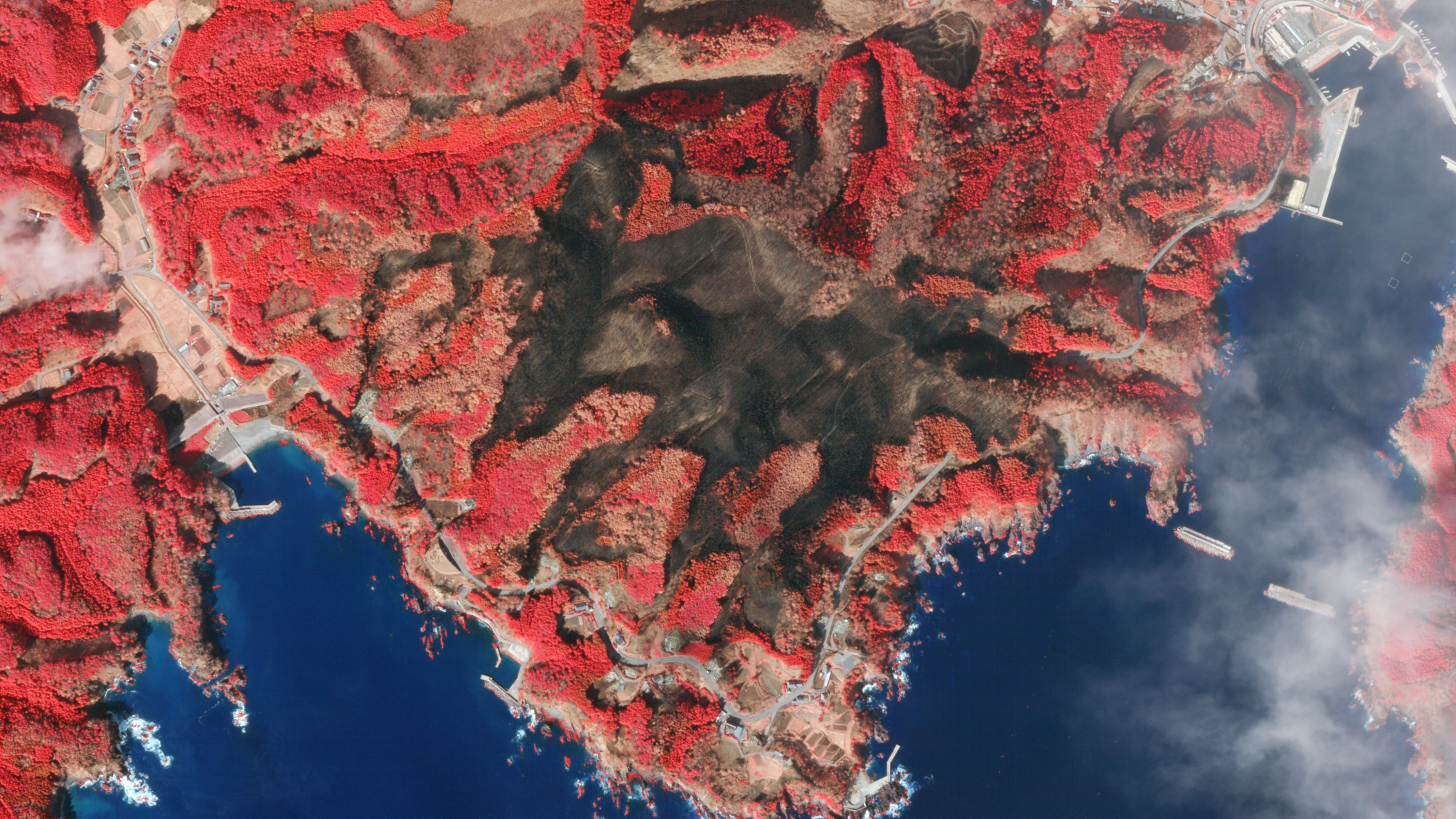
PlanetScope® false color image of a forest fire in Ofunato, Iwate Prefecture, Japan, captured on March 7, 2025. © 2025, Planet Labs PBC. All Rights Reserved.
TechOver the years, disasters are becoming more frequent, destructive, and costly with approximately $2.3 trillion damages according to the Global Assessment Report on Disaster Risk Reduction 2025. However, investments in disaster risk reduction (DRR) remain low, often at 1-2% of most national budgets.
Today, the International Day for Disaster Risk Reduction (IDDRR), with its theme “Fund Resilience, Not Disasters,” calls for a paradigm shift from reactive post-disaster response toward proactive prevention. Earth observation (EO) insights can support this shift by providing foundational data to crisis planning and mitigation.
Earth Observation for Disaster Risk Reduction
Earth Observation for Disaster Risk Reduction, or EO4DRR, is a collaborative initiative that leverages EO technology to prevent, mitigate, and respond to disasters, particularly within the framework of the United Nations Sendai Framework for Disaster Risk Reduction.
Planet satellite constellations provide near-daily, broad area coverage of the Earth’s landmass with archival imagery dating as far back as 2009 — making it possible to track and understand change over time. This capability expands what's possible with EO4DRR and is valuable for disaster agencies.
And while EO4DRR is useful across the entire disaster management lifecycle — prevention, preparedness, response, and recovery — there is increasing focus on the value of using EO technology to support disaster prevention. For example, by using satellite data to identify flood risk in areas of interest or document how deforestation increases landslide and flood vulnerability.
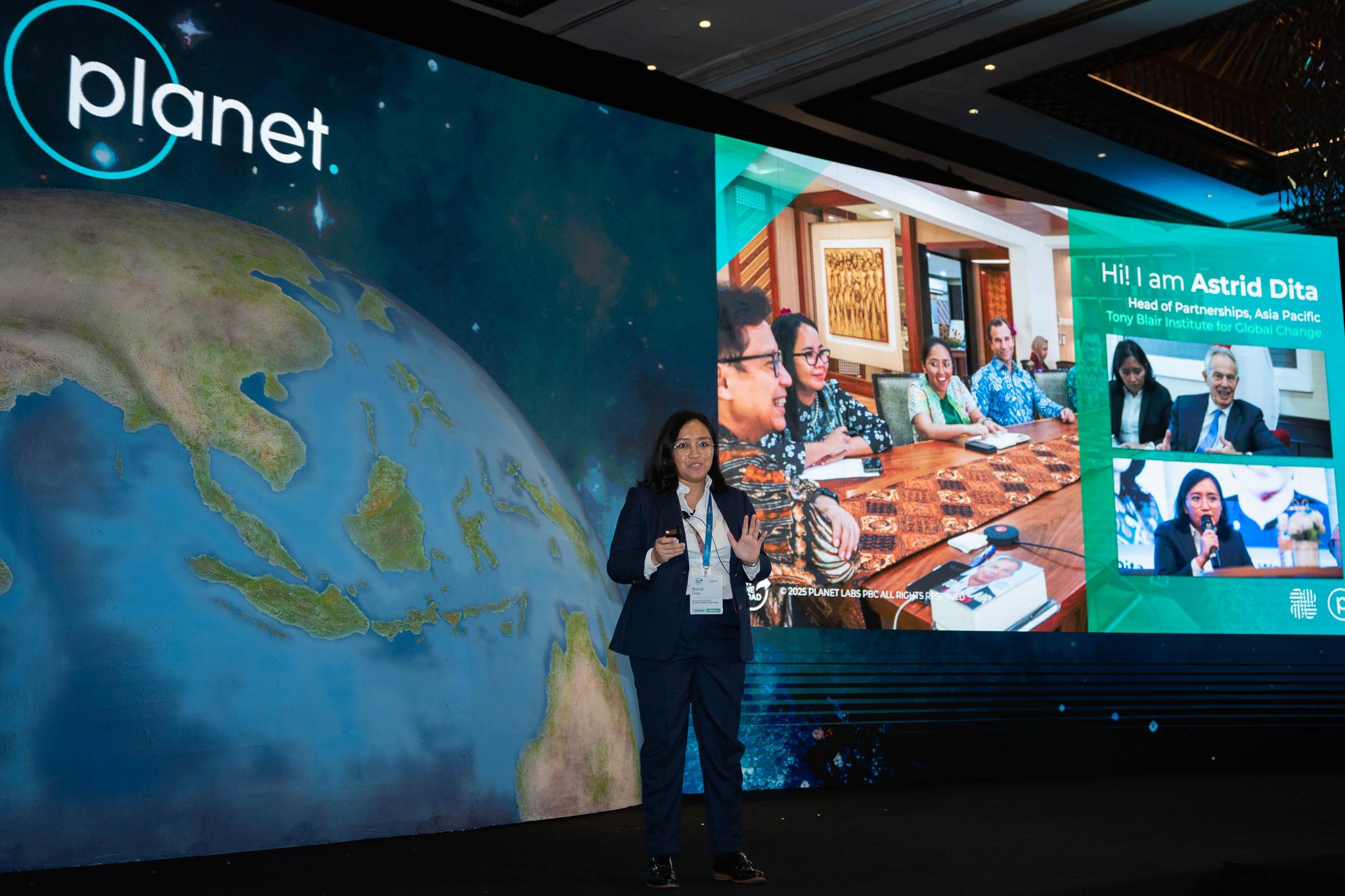
Astrid Dita from the Tony Blair Institute for Global Change presenting "Eyes in the Sky, Impact on the Ground" at Planet On The Road Bali.
During the On The Road event in Bali, Planet partner Tony Blair Institute for Global Change (TBI) presented how they leveraged the Planet EO data to develop an AI model that automatically detects landslides.
The model detects both recent and historical landslides and uses these results to update hazard maps, a process that previously took place only once every five years. According to TBI, with Planet EO data and AI-powered detection, one analyst can now map nearly 20% of the country in just two hours. The system quickly identifies past and potential future landslide areas, enabling immediate hazard mapping after each weather event and improving the government’s preparedness and response capacity.
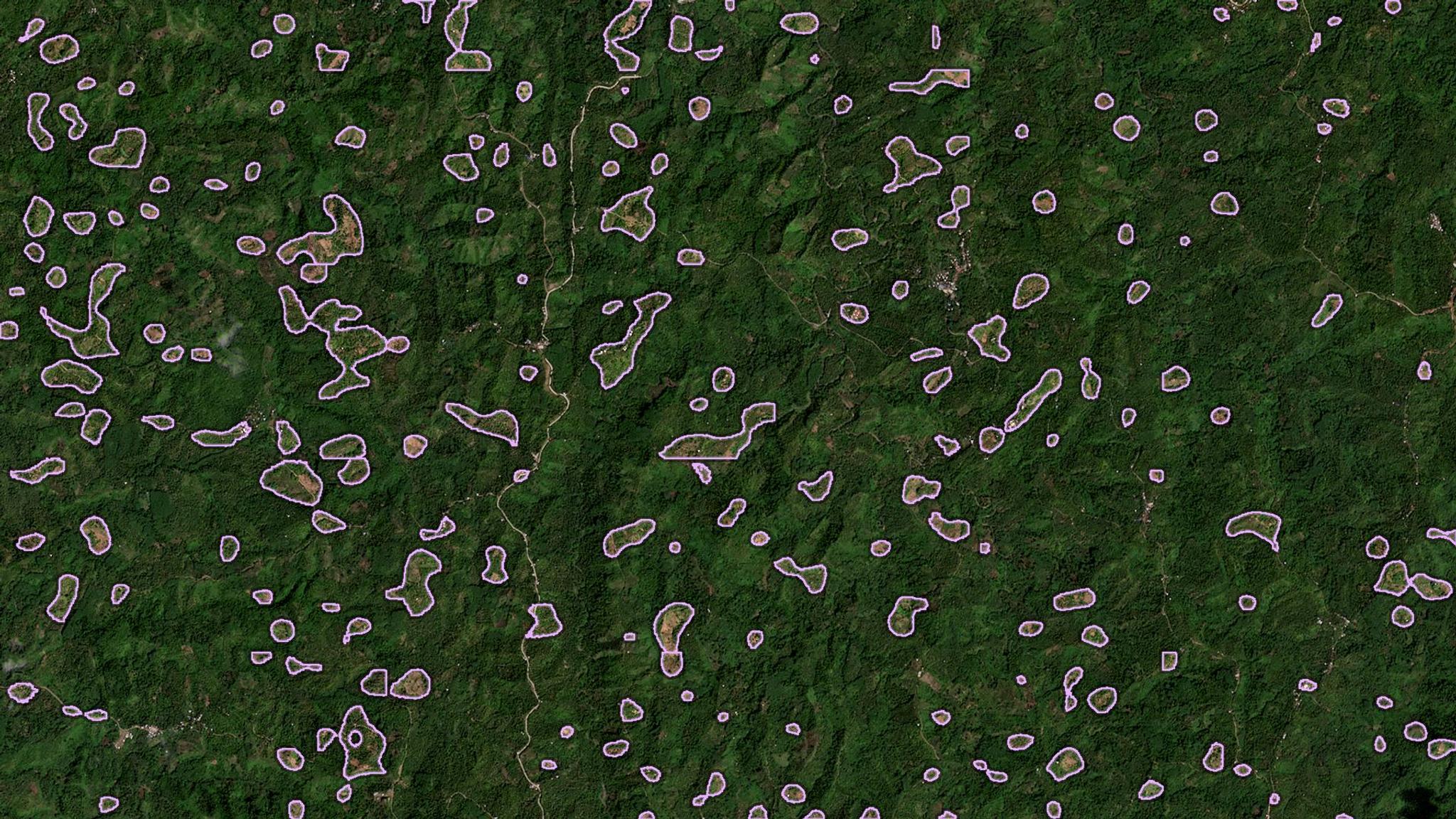
PlanetScope® image of the Hijo-Sarawak River Basin in Mindanao, Philippines, captured on November 1, 2024. The model used by TBI generates detected landslide polygons over Planet Basemaps.
Access to satellite data alone doesn’t build resilience. Governments need actionable insights to support planning and decision making. Our centralized and cloud-hosted Planet Insights Platform can seamlessly integrate with legacy systems to support analysis, even for teams without extensive remote sensing experience.
A Resilient Future With EO4DRR
Effective disaster risk reduction requires a comprehensive approach that includes governance, community engagement, and infrastructure investment. Planet EO data can support this disaster risk reduction framework through accurate and timely insights about where risks exist, how they evolve, and when disasters occur. And countries that leverage this approach can strengthen decision making and risk mitigation to help ensure a resilient future.
For a deeper understanding of Planet solutions for disaster and emergency management, watch our on-demand APAC GeoGov Insights webinar, Building a Resilient Nation: Your Satellite Roadmap for Proactive Infrastructure and Disaster Management.
Forward Looking Statements
Certain statements contained in this blog are “forward-looking statements” about Planet within the meaning of the securities laws, including statements about Planet’s strategic partnerships, the expansion of the high resolution capacity of Planet’s fleet and the delivery of such capacity to Planet customers, and Planet’s future growth in new and existing markets. Such statements, which are not of historical fact, involve estimates, assumptions, judgments and uncertainties. There are a number of factors that could cause actual results or outcomes to differ materially from those addressed in the forward-looking statements. Such factors are detailed in Planet’s filings with the Securities and Exchange Commission. Planet does not undertake an obligation to update its forward-looking statements to reflect future events, except as required by applicable law.

Ready to Get Started
Connect with a member of our Sales team. We'll help you find the right products and pricing for your needs.