

Planet Develops Novel Radio Communication Systems That Support Hybrid Space-to-Ground and Space-to-Space Connectivity

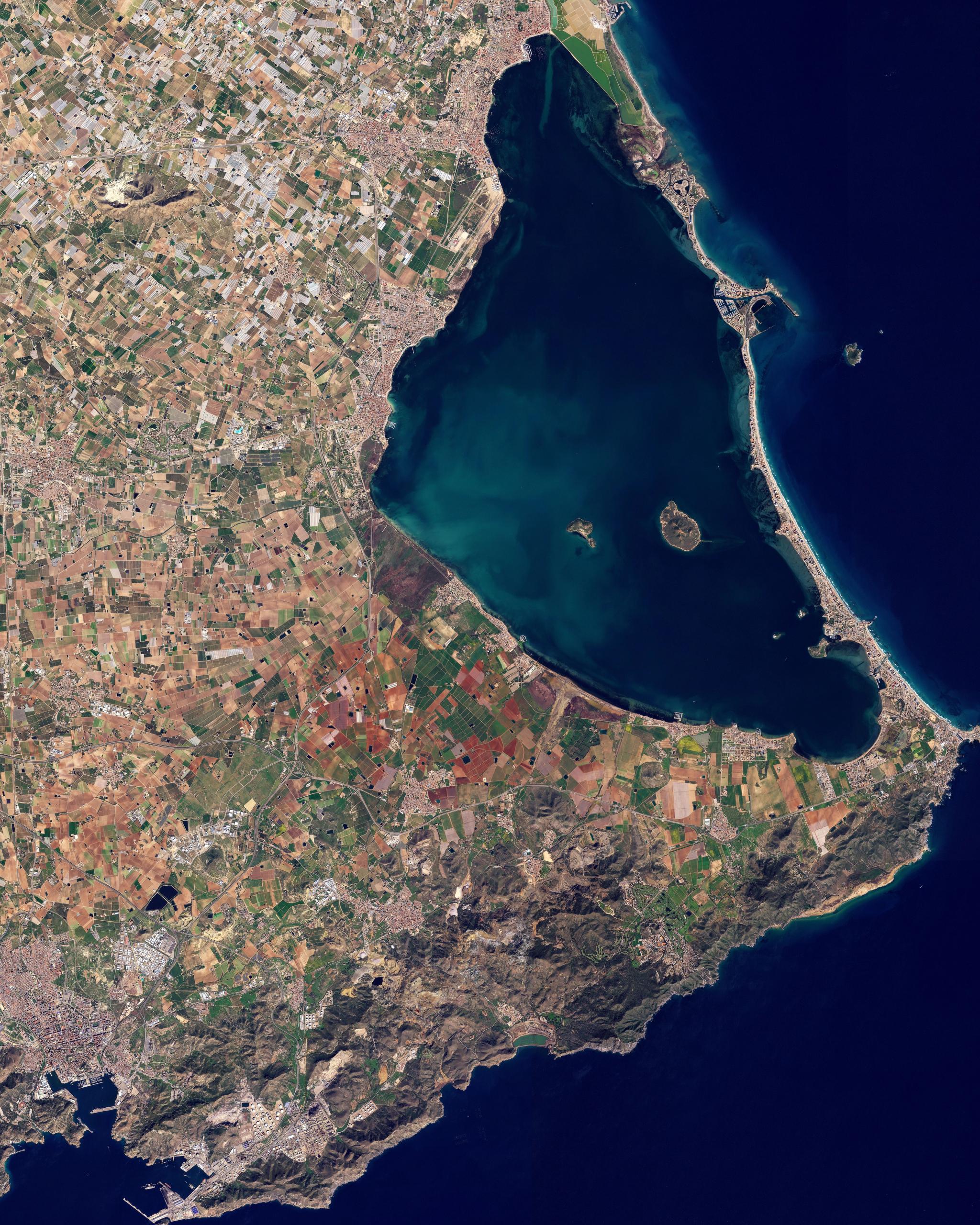
PlanetScope image of Mar Menor in Spain, captured February 26, 2026. © 2026, Planet Labs PBC. All Rights Reserved.
NewsPlanet is excited to share the development of patented radio communication systems that include last-minute tasking capabilities and an improved data downlink solution. This capability uses crosslinks to task satellites within minutes, which can help customers working on use cases such as disaster relief, security, and civil government to speedily react to urgent events on the ground.
Leveraging our agile development process, we rapidly developed this technology and demonstrated with on-orbit tests the ability of this communication system to significantly reduce the time between a customer’s request to task a satellite, image acquisition, and insight delivery. Planet is utilizing its advanced Pelican satellites to test and validate these systems on-orbit.
C-Band Real Time Comms for Late Tasking
Central to our radio communication system is a Real Time Communications (RTComms) system, which is a C-band radio that supplements our ground station Telemetry, Tracking, and Command (TT&C) infrastructure for high priority image tasking updates. This system is designed to enable global tasking of Planet’s system using existing infrastructure in a cost-effective manner.
Utilizing an array of small antennas working in tandem, RTComms achieves a larger field of view to a satellite relay in geostationary orbit (GEO), facilitating continuous, uninterrupted communications link availability through Planet’s satellite maneuvers in low Earth orbit (LEO). Although this technology is currently in the research & development phase, when it is operationalized and rolled out across the constellation, this capability is designed to substantially reduce the time elapsed between customer tasking order and image capture.
Hybrid Ka-band for Payload Downlink
Similar to the tasking radio, Planet has worked to develop a solution to provide data downlink opportunities globally re-using existing infrastructure to minimize new costs with deployment. The High Speed Downlink 3 (HSD3) system is our small satellite high-bandwidth data downlink pipeline, which can achieve speeds of up to 10 Gbps to Planet’s ground stations. This solution enables satellite-to-satellite communications links using the HSD3 hardware. Planet is also planning to integrate HSD3 with a higher power, mechanically steerable Ka antenna that will track the Ka-band Inter-Satellite Link (KaISL) relay satellites at increased data rates and the ability to simultaneously transmit and receive low latency, high priority imagery.
The Planet team has conducted initial ground demonstration tests with prototype hardware and incorporated lessons learned into flight hardware. Figure 1 shows C-Band antennas integrated on the Pelican-5 spacecraft during its preparation for launch on November 28, 2025. Figure 2 shows another C-Band antenna integrated elsewhere on the Pelican-5 spacecraft to provide a broad field of view. We have integrated multiple antennas on the spacecraft to help ensure the ability to command the spacecraft in a variety of orientations. Figure 3 shows the Pelican-7 vehicle with the Ka-Band HSD3 antenna and a C-Band antenna integrated while the vehicle is being prepared for launch and Figure 4 shows a detailed view of the space-to-ground Ka-Band antenna.
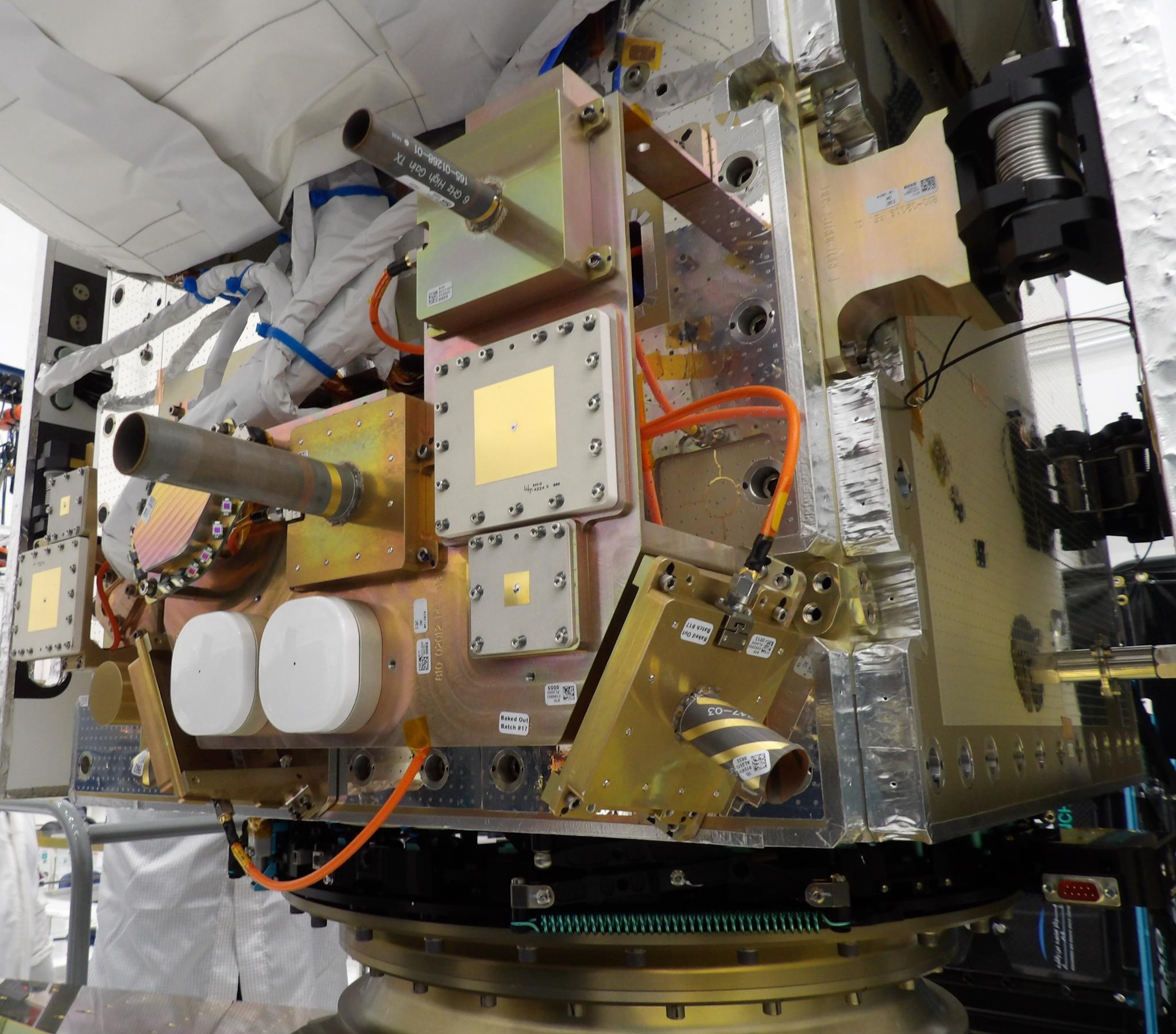
Figure 1: Several RTComms antennas enable broad FOV coverage on the Pelican-5 spacecraft.
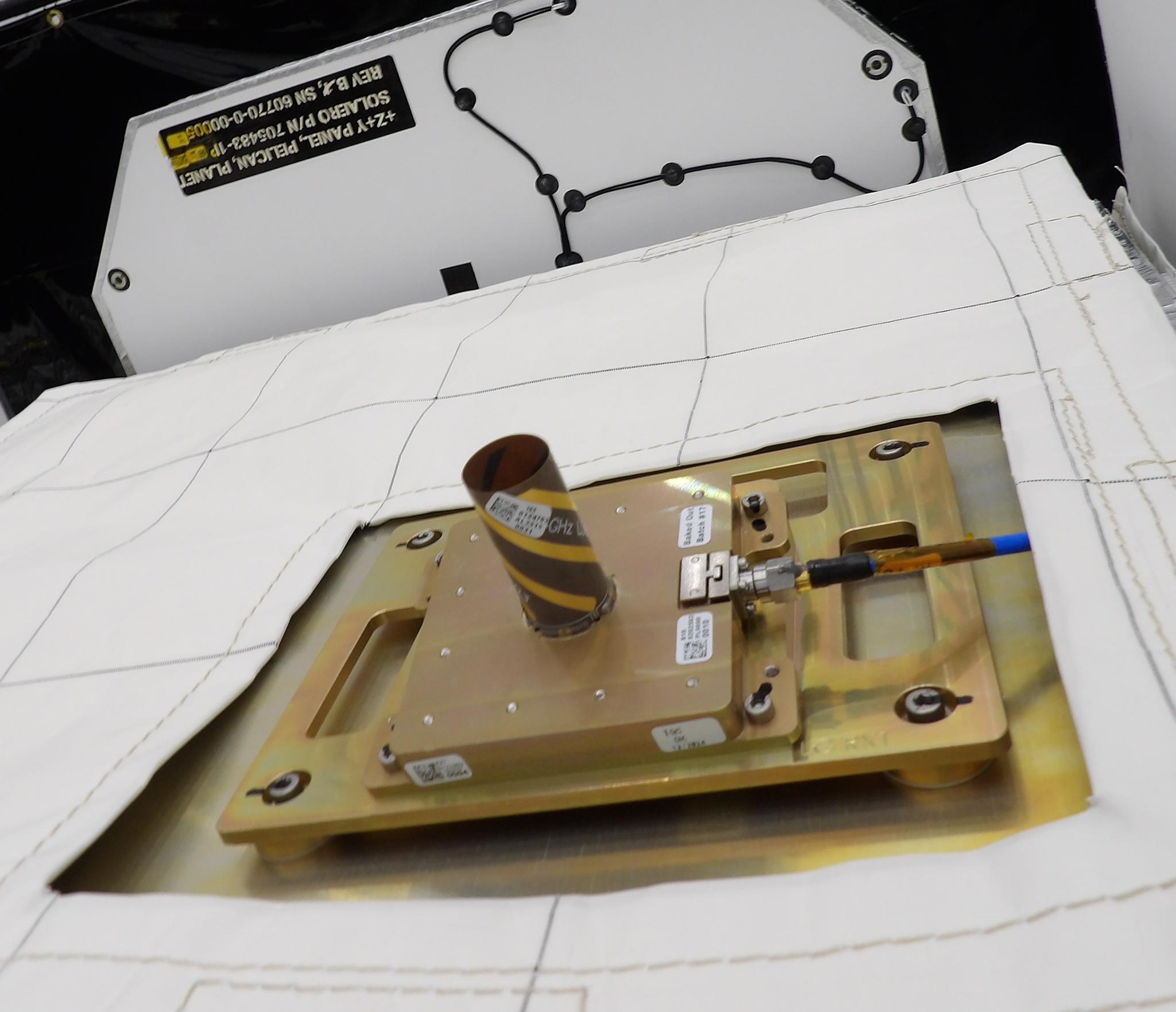
Figure 2: Another RTComms antenna on the exterior of Pelican-5 enabling tasking from multiple orientations.
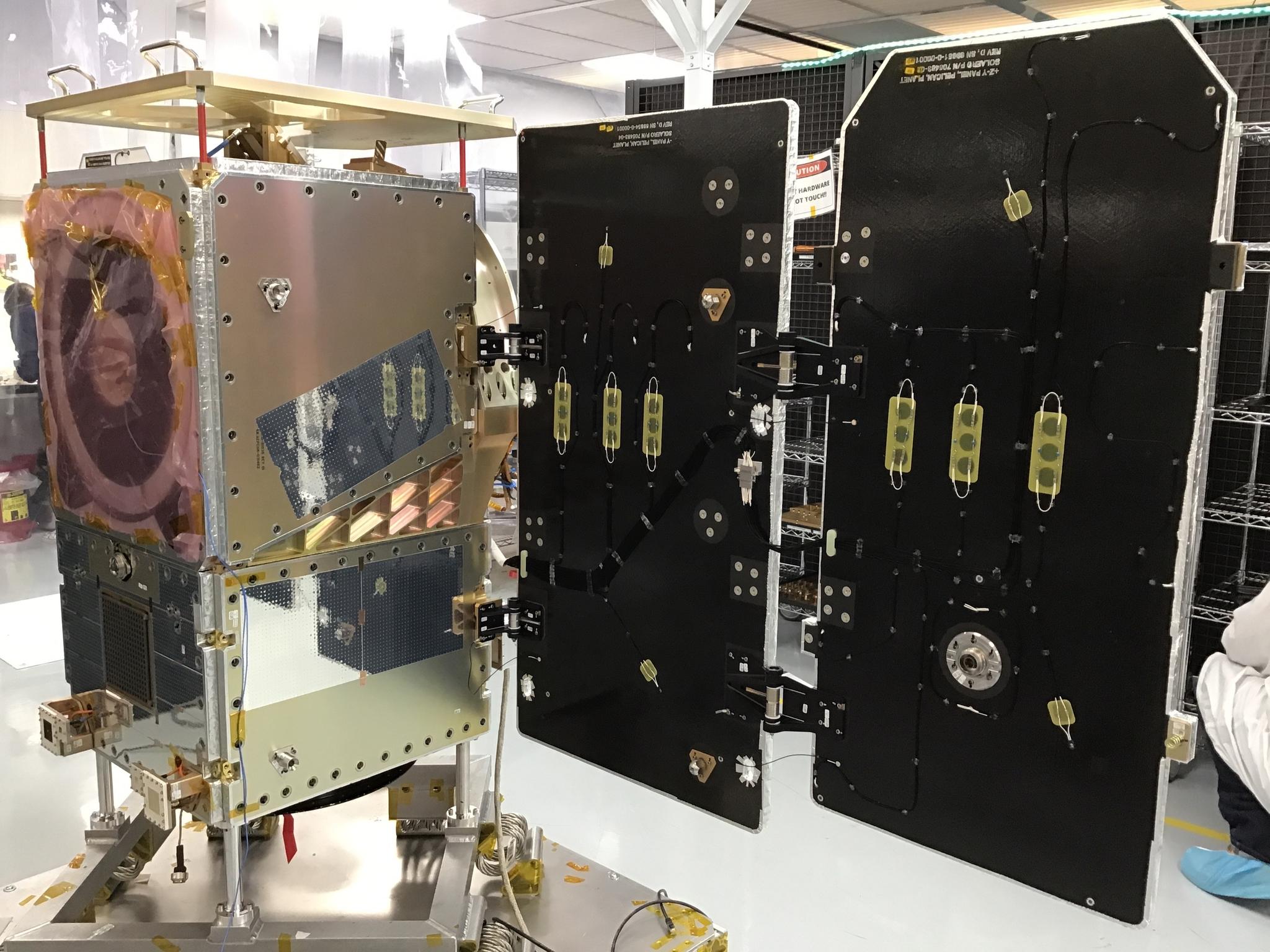
Figure 3: Pelican-7 being prepared for launch with C-Band and Ka-Band antennas shown.
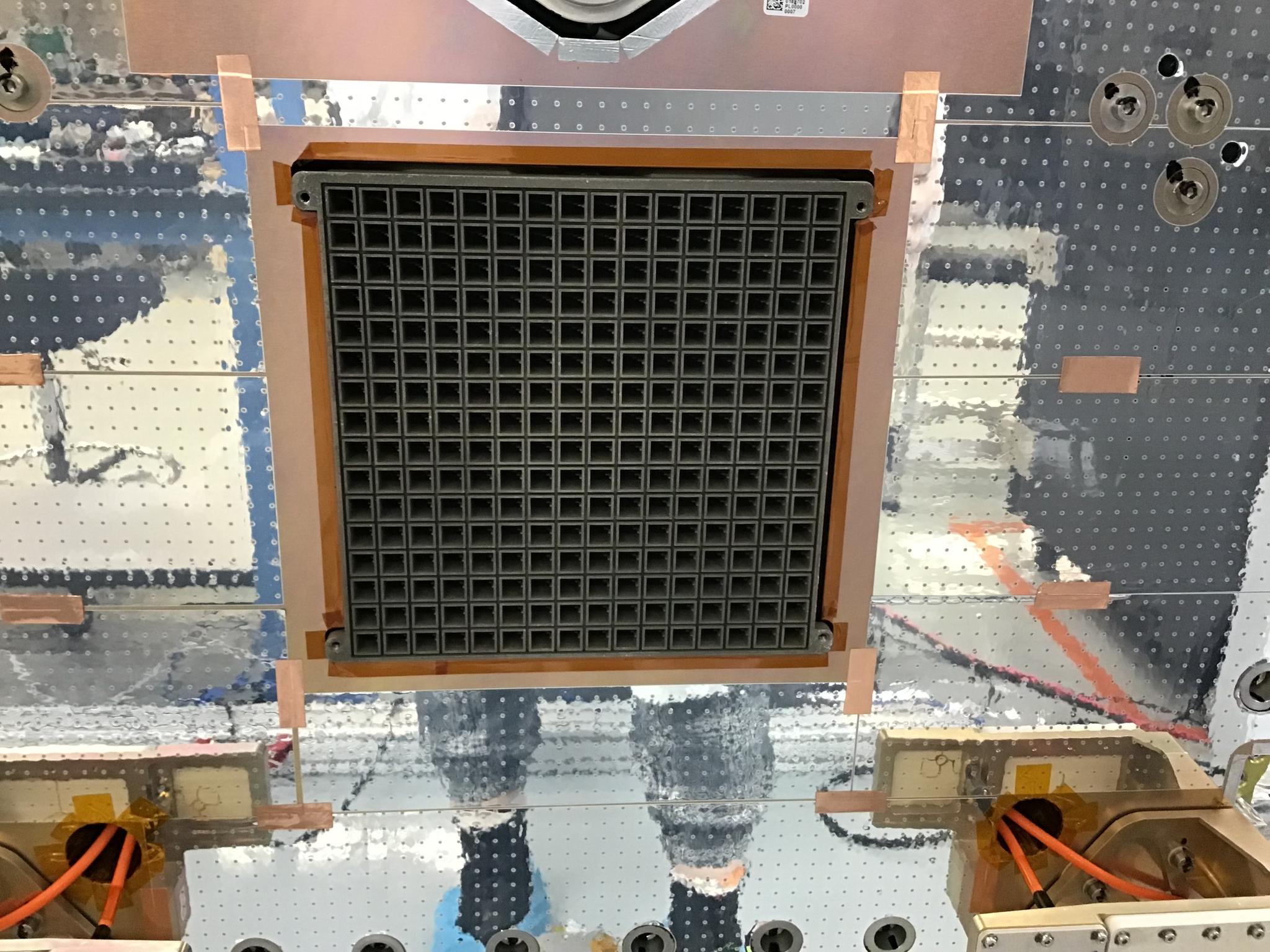
Figure 4: Pelican-7’s Ka-Band antenna that enables space-to-ground and space-to-space communications.
In bringing this capability online, Planet aims to better support customer needs at the pace of global change. Staying true to our agile aerospace ethos, we’re continuing to quickly develop and deploy new technologies on our spacecraft, setting new standards for innovation. We look forward to sharing more updates as these exciting new systems develop.
The technologies described, either alone or in combination with other technologies, are protected by patents in the US and elsewhere. This disclosure is provided to satisfy the virtual patent marking provisions of various jurisdictions including the virtual patent marking provisions of the America Invents Act. Additional information can be found at www.planet.com/patents/.
Forward-Looking Statements
This blog contains forward-looking statements within the meaning of Section 27A of the Securities Act of 1933, as amended, and Section 21E of the Securities Exchange Act of 1934, as amended. Forward-looking statements generally relate to future events or Planet’s future financial or operating performance. In some cases, you can identify forward-looking statements because they contain words such as “expect,” “estimate,” “project,” “budget,” “forecast,” “target,” “anticipate,” “intend,” “develop,” “evolve,” “plan,” “seek,” “may,” “will,” “could,” “can,” “should,” “would,” “believes,” “predicts,” “potential,” “strategy,” “opportunity,” “aim,” “conviction,” “continue,” “positioned,” “structured” or the negative of these words or other similar terms or expressions that concern Planet’s expectations, strategy, priorities, plans or intentions.
Forward-looking statements in this blog include, but are not limited to, statements regarding Planet’s financial guidance and outlook, expected financial and operating results, the expected value of contracts that Planet has entered into and the timing and amount of revenue that Planet will recognize, Planet’s growth opportunities, Planet’s expectations regarding future product development and performance, including with respect to AI, Planet’s expectations regarding the launch and operations of its satellites, including with respect to timing, and Planet’s expectations regarding its strategies with respect to its markets and customers, including trends in customer demand. Planet’s expectations and beliefs regarding these matters may not materialize, and actual results in future periods are subject to risks and uncertainties that could cause actual results to differ materially from those projected, including risks related to the macroeconomic environment and risks regarding Planet’s ability to forecast Planet’s performance due to Planet’s limited operating history. The forward-looking statements contained in this blog are also subject to other risks and uncertainties, including those more fully described in Planet’s filings with the Securities and Exchange Commission (“SEC”), including Planet’s Annual Reports on Form 10-K, Quarterly Reports on Form 10-Q, and any subsequent filings with the SEC that Planet may make. All forward-looking statements reflect Planet’s beliefs and assumptions only as of the date of this blog. Planet undertakes no obligation to update forward-looking statements to reflect future events or circumstances, except as may be required by law.

Ready to Get Started
Connect with a member of our Sales team. We'll help you find the right products and pricing for your needs.