Planet Appoints Chief Technologist and Chief Engineer to Drive Spacecraft Innovation

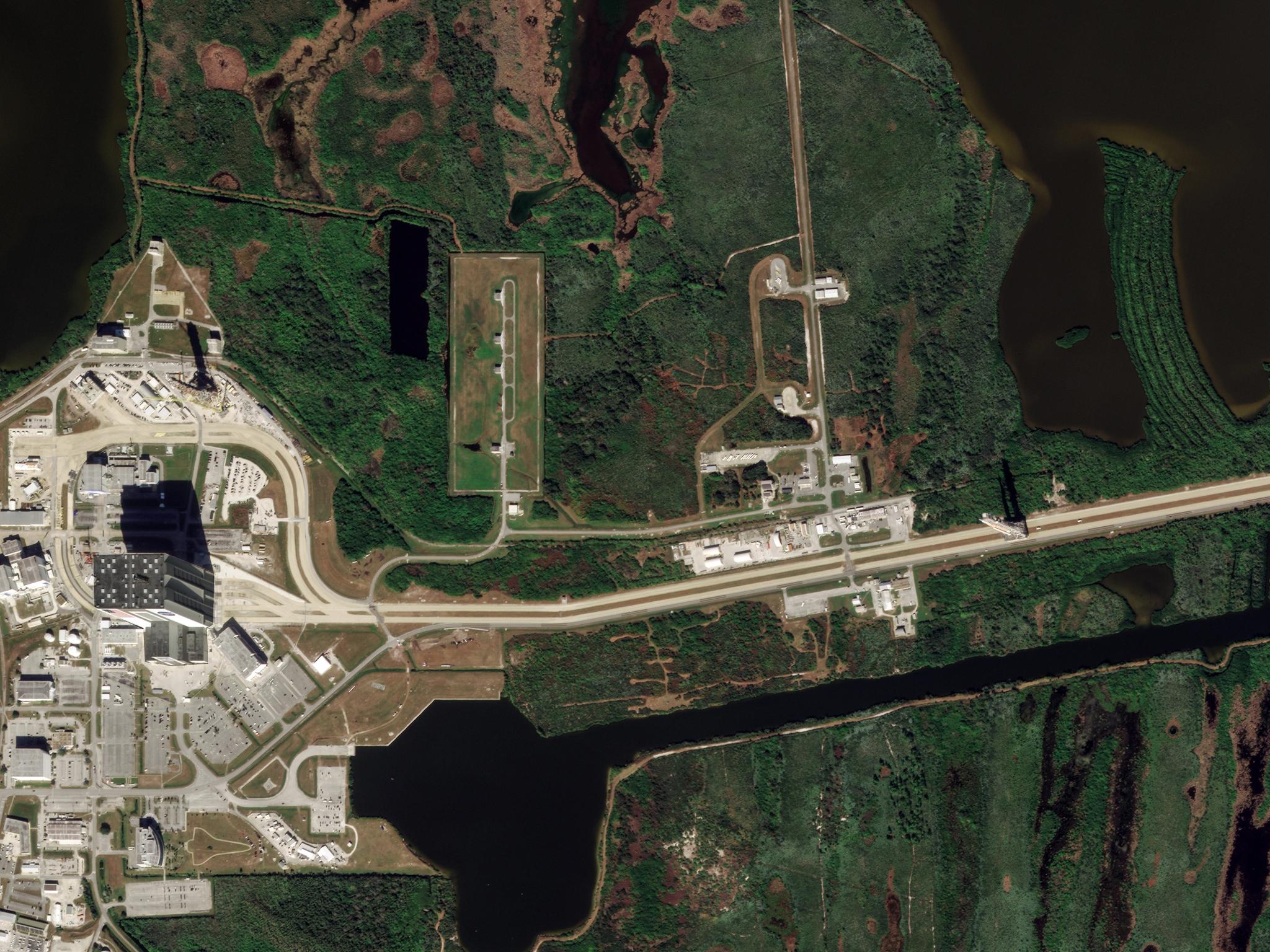
Pelican image of NASA’s Space Launch System rocket and Orion spacecraft at Kennedy Space Center, captured on January 17, 2026. © 2026, Planet Labs PBC. All Rights reserved.
NewsI’m delighted to share the appointment of two long-tenured Planeteers into key technical leadership roles at Planet. The Planet Space Systems division is responsible for designing, building, and operating Planet Earth imaging capabilities, and these two roles will be central both to advancing our core technology roadmap and to defining the next generation of remote sensing capabilities.
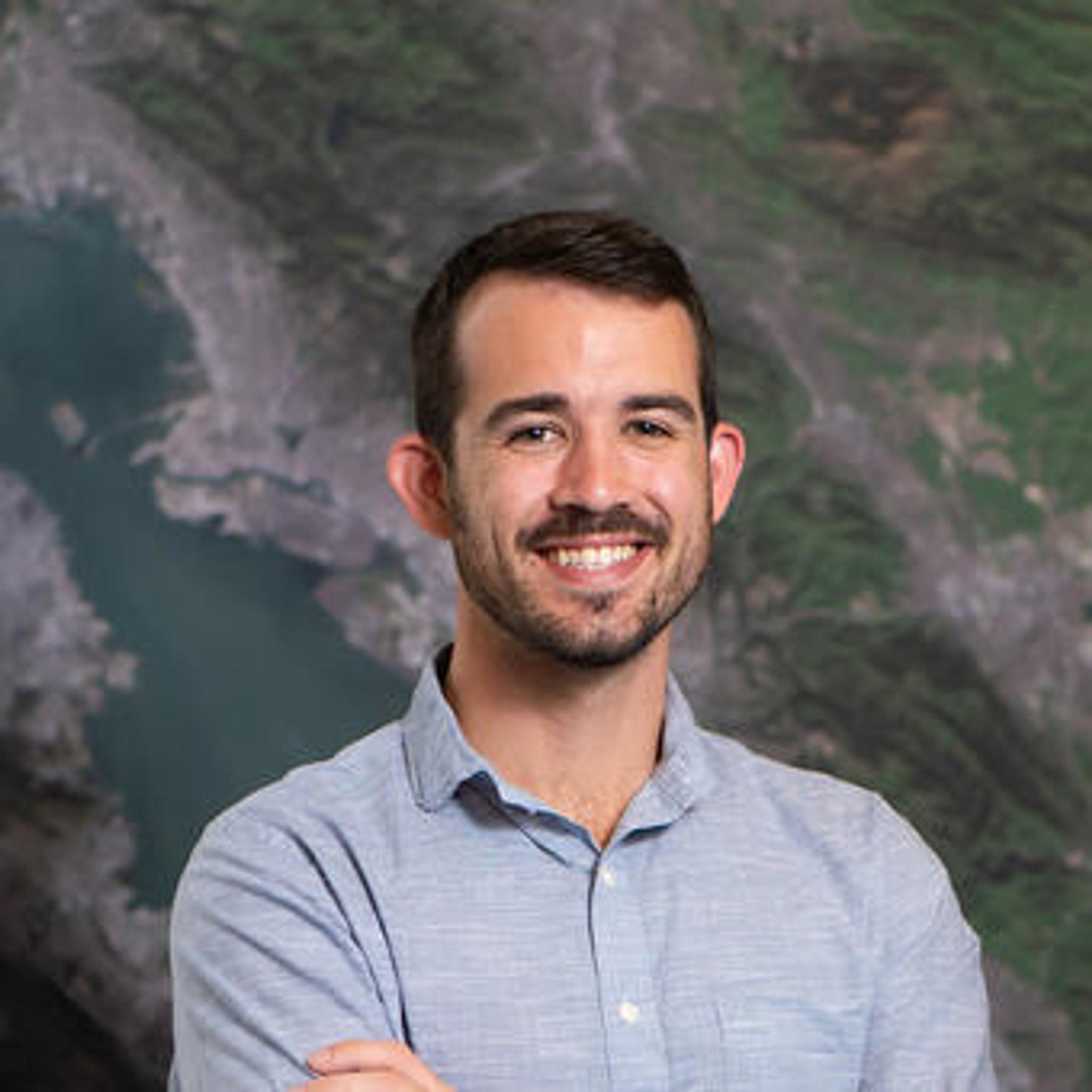
Dr. Kiruthika Devaraj has been appointed as Chief Technologist, and Brian Lewis has stepped into the role of Chief Engineer. These two roles are pivotal in nurturing and expanding the company’s culture of innovation as we scale, and I couldn’t be more excited for what’s ahead under their leadership.
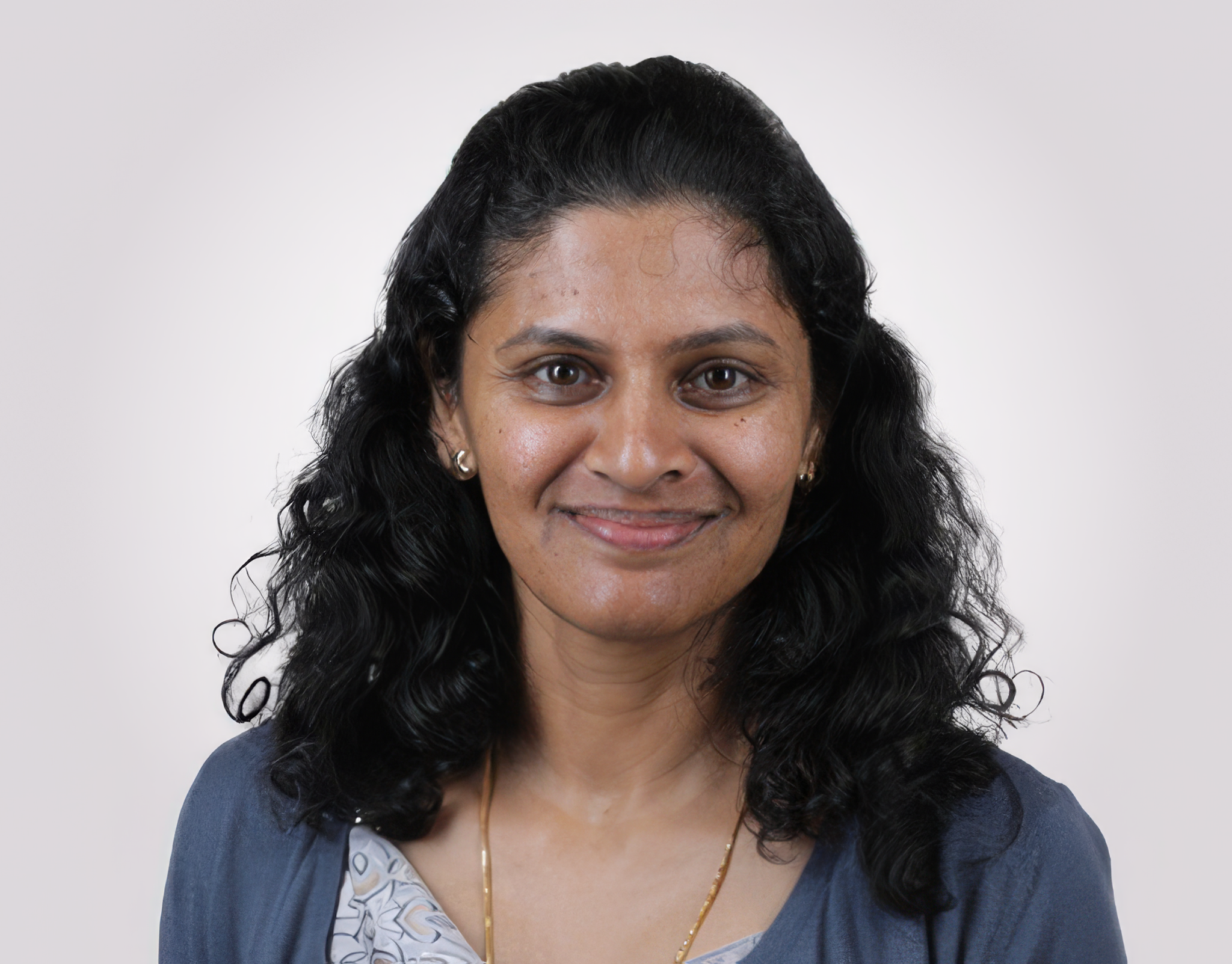
Kiruthika has been a cornerstone of the Planet engineering organization since 2014, playing a central role in building the breakthrough communications and avionics systems that allow us to download imagery of the whole world every day. Beyond her “day job” she’s been a driving force behind several of Planet’s most forward-looking initiatives, such as incubating real-time inter-satellite communications, maturing edge compute capabilities, and driving frontier geospatial AI research strategy. Kiruthika is also a cultural leader at Planet, creating novel partnerships with academic institutions and mentoring and promoting women engineers. Her new title reflects the scope of influence she already carries, both in shaping Planet’s external strategic voice and in pushing our AI research agenda forward. As Chief Technologist, she’ll be responsible for defining and future-proofing our next generation of spacecraft platforms, while continuing to incubate strategic technologies that accelerate Planet’s mission.
“What excites me most about this role is the chance to continue accelerating our technological roadmap, by making our spacecraft not just faster and more reliable, but fundamentally smarter,” said Kiruthika Deveraj. “By exploring the intersections of AI, edge computing, and next-generation platforms, we are building the future of Earth observation. I'm grateful to be doing that work alongside such a talented team."
Prior to Planet, Kiruthika was a research scientist at the Stanford Kavli Institute where she built microwave and millimeter-wave instruments for cosmology and radio astronomy. She holds a PhD and M.S. in electrical engineering from Georgia Institute of Technology, along with a B.E. in electronics and communication engineering from PSG College of Technology.

Brian Lewis joined Planet in 2017 and has spent nearly a decade solving some of the company’s hardest engineering challenges. All Planet satellites operating today carry Brian’s engineering fingerprints. Most recently, Brian served as the Mission Director of the Pelican program, where his technical leadership was instrumental to successfully developing, deploying, and operationalizing the growing Pelican fleet. As the Pelican mission graduates into a scaled operational service, Brian is shifting his focus from leading a single constellation to guiding the technical direction of our entire Space Systems portfolio.
“Having helped bring missions like Pelican from concept to orbit, I’ve seen firsthand the exceptional capability and agility of our engineering organization,” said Brian Lewis. “As Chief Engineer, I will be focused on maintaining and scaling those technical goals across all our spacecraft platforms, tackling our most complex architecture challenges, and continuing to pioneer agile aerospace at an enterprise scale.”
As Chief Engineer, Brian will serve as a principal advisor to executive leadership on spacecraft engineering issues, establish cross-mission hardware and software standards, lead spacecraft development roadmapping, and act as the final technical authority for critical design decisions and reviews. In this role, Brian will act as the cultural anchor for our Space Engineering team, setting the bar for design excellence, mentoring the next generation of space engineers, and championing Planet’s agile aerospace philosophy in practice.
Prior to Planet, Brian developed and built SkySats as part of the Google Terra Bella team, was the Spacecraft Systems Engineer on the LADEE lunar mission at NASA Ames Research Center, and was a Project Engineer at The Aerospace Corporation. He holds an M.S. in mechanical engineering from Utah State University.
Kiruthika and Brian both personify what it means to be Planeteers: deep technical excellence, force multiplying leadership and role models, a relentless drive to push our mission forward, and the creativity and flexibility to engineer truly agile space missions. I’m grateful for everything they’ve already built, and I’m looking forward to what comes next as they step into these expanded roles.
If you’re interested in learning about the satellite constellations managed by our Space Systems team, we invite you to visit our website.