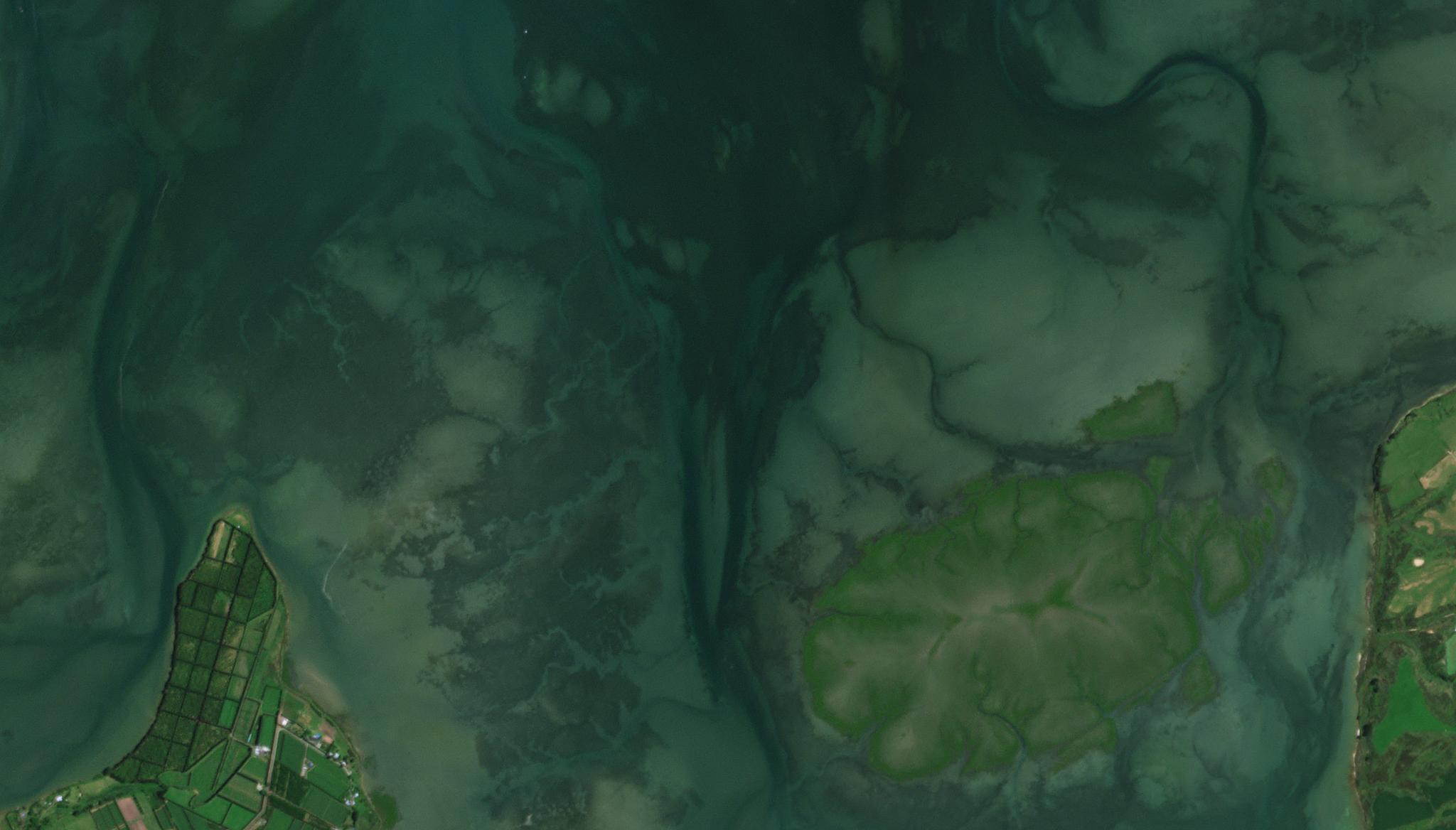
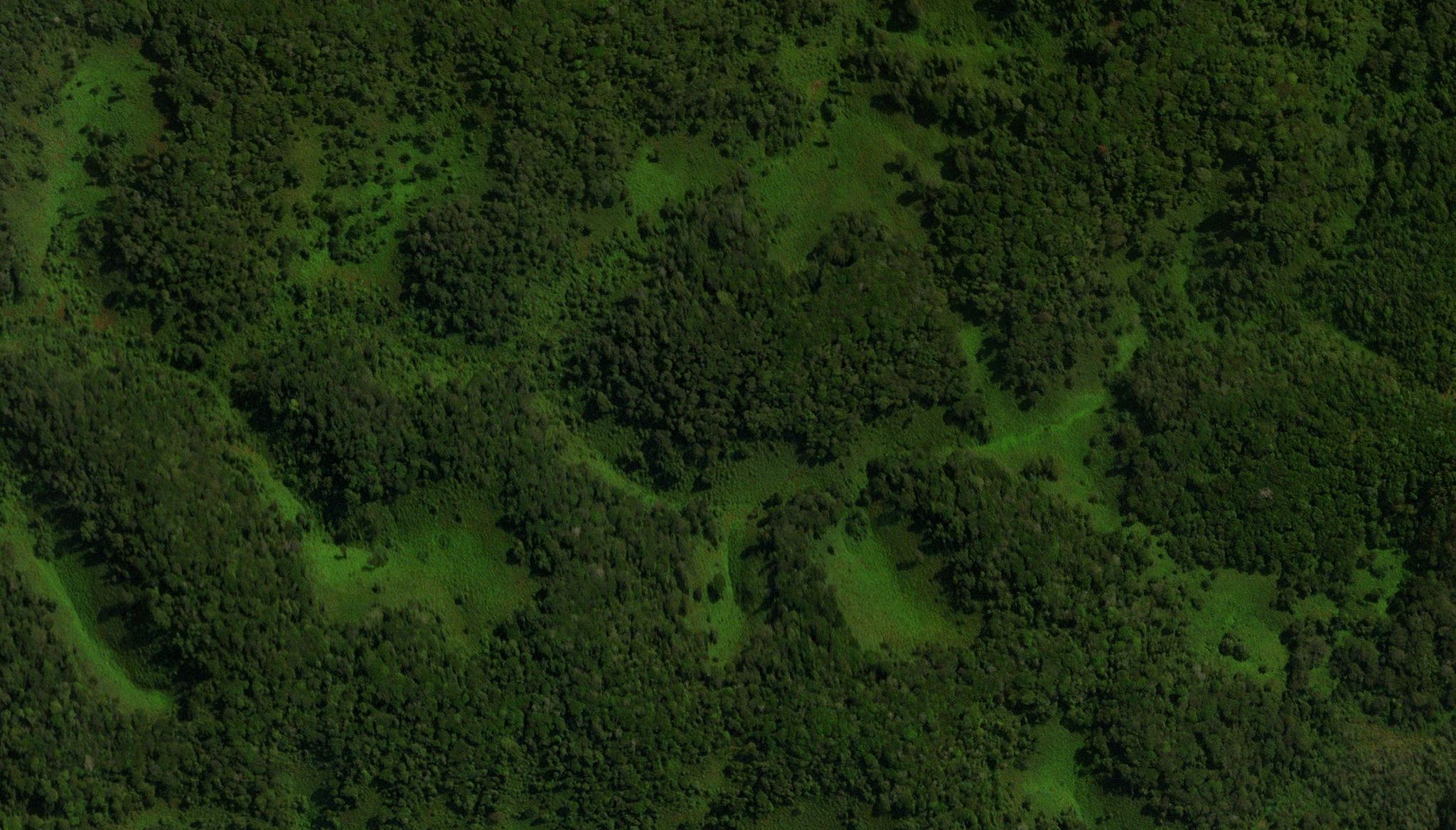
Coastal wetlands, especially salt marshes, store vast amounts of terrestrial carbon both above and belowground. Conserving and restoring them can help sequester such carbon, but sea-level rise and other anthropogenic threats risk liberating these long-term carbon stores to the atmosphere…...
Tracking the scientific discoveries made by Planet's Education and Research community
The towering mountain ranges of the Tibetan Plateau, such as the Himalayas and the Hindu Kush, are a prime area for a host of natural disasters. Earthquakes, landslides, and glacial floods are common occurrences in the region thanks to the…
CONTINUE READINGUnique among commercial sensors, the SkySats are capable of full-motion, panchromatic video from space. Ramon Arrowsmith, professor of Geology at Arizona State University decomposed one SkySat video to produce 3D models. As Ramon notes in his Active Tectonics Blog, SkySat…
CONTINUE READINGAs Planet's Education and Research Community continues to grow, students are increasingly working with Planet imagery in college courses. At Stanford University, several students recently utilized Planet imagery in Computer Science 230: Deep Learning. Ian Avery Bick, Dennis Wang and…
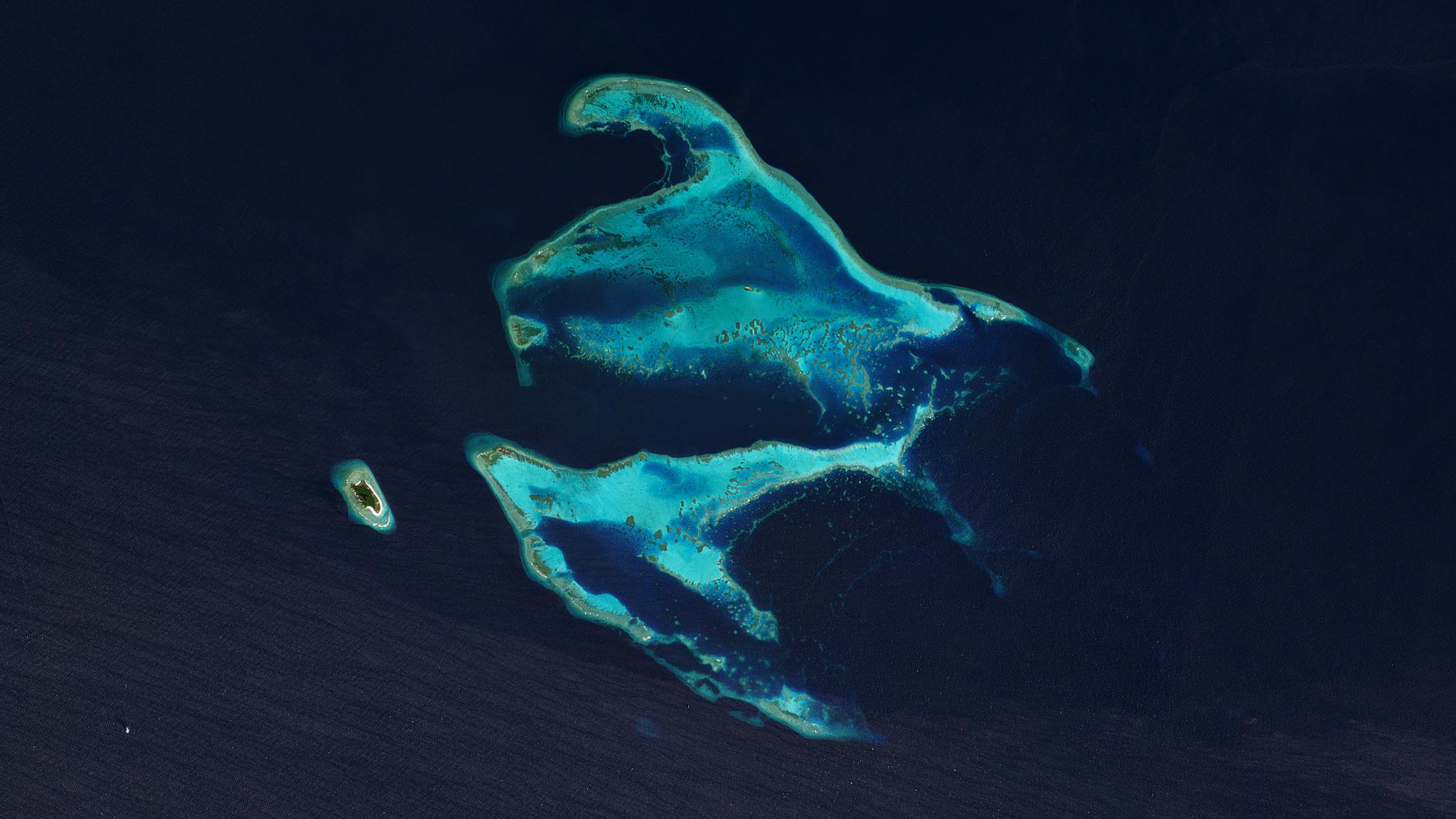
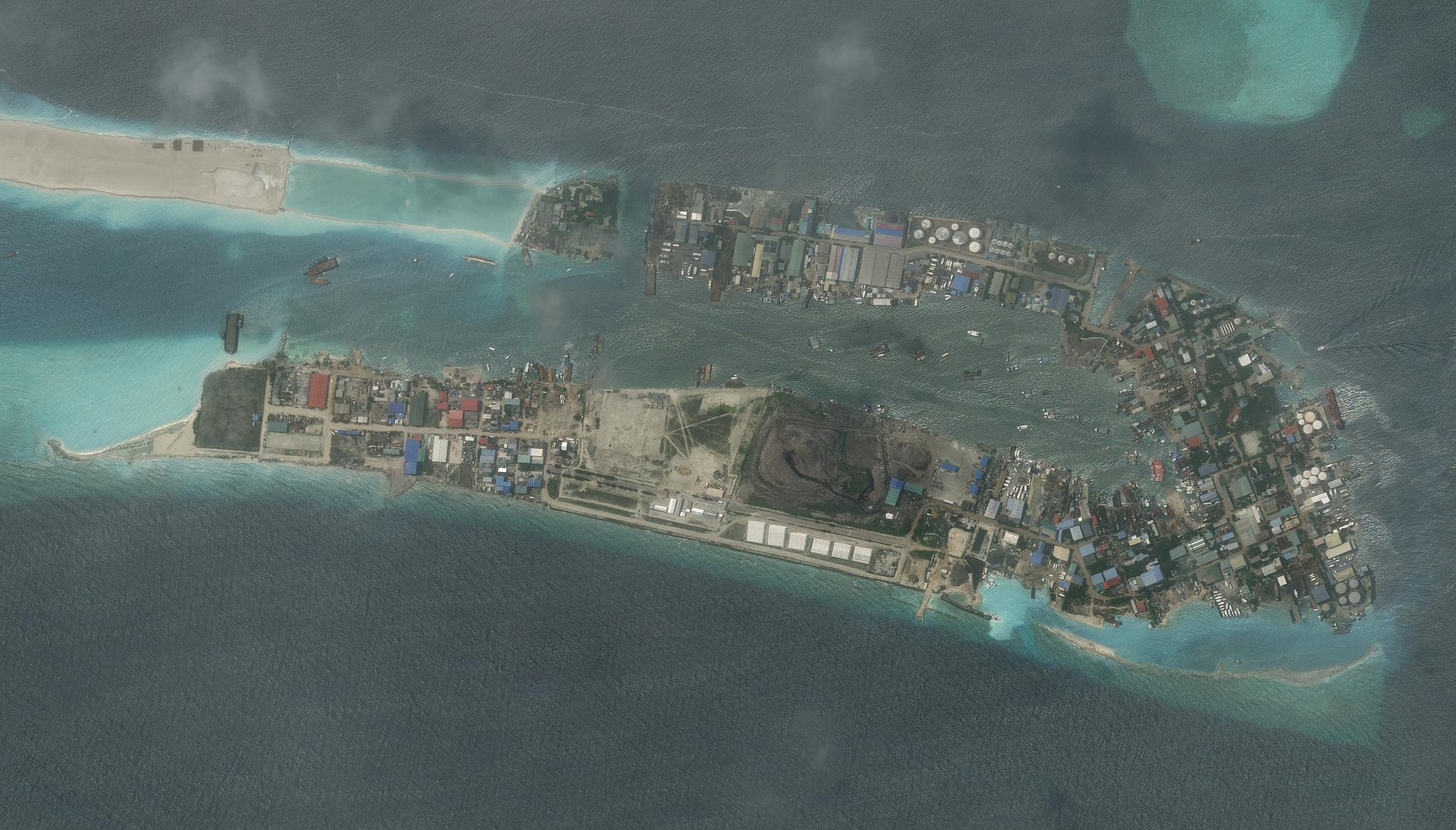
CONTINUE READINGSatellite-derived bathymetry has numerous applications, including enhanced mapping and classification of bathymetric features such as coral reefs and seagrass meadows, as well as use in maritime navigation and coastline infrastructure. Dimitris Poursanidis from the Foundation for Research and Technology in Hellas, with colleagues from the German Aerospace Centre, used Planet’s Dove images […]
CONTINUE READINGGlobally, landslides kill ~5,000 people per year. If landslides—including rock falls, mudslides and other surface failures—can be better predicted, these deaths could be avoided. Landslides are highly heterogeneous, both spatially and temporally. They are more common in the steep, mountainous regions of the Earth, but also more frequent during particular seasons due […]
CONTINUE READINGTemporal resolution is one of four axes by which one may judge the value of a remote sensing data source. Unlike spatial, spectral and radiometric resolution, temporal resolution can be used to decompose the day-to-day dynamics of ecosystems, revealing their phenology—the natural processes by which ecosystems (particularly vegetation) change over time. A […]
CONTINUE READINGWhen disaster strikes, accurate information about the scale and scope of impact becomes critical. The first 24 hours are often the most important, and any accurate data may prove life saving. Leveraging data from Planet’s Disaster Program, Bruno Adriano and his team used a variety of data sources and machine learning to […]
CONTINUE READINGThe movement of river sediment influences many aspects of land management, including water quality and the life cycle of dams and other impoundments. Hydrologists will benefit from improved methodologies to track river sediment flow and geomorphological evolution of the river channel. Robert Strick, from the University of Brighton, and colleagues used a […]
CONTINUE READING