Search
Education and Research Program
We're looking for students and researchers to unlock the power of a one-of-a-kind dataset
Any University-Affiliated Student, Faculty Member or Researcher May Apply to Our Education and Research Program
This program provides limited, non-commercial access to PlanetScope and RapidEye imagery.
A university email address is required.
Nonprofit and government employees are not eligible for our E&R program. If you are a federal civilian agency researcher, check out our NASA CSDA program.
For nonprofits, please see our Nonprofit Program.
Our Near-Daily Imagery Empowers Research at the Speed of Change
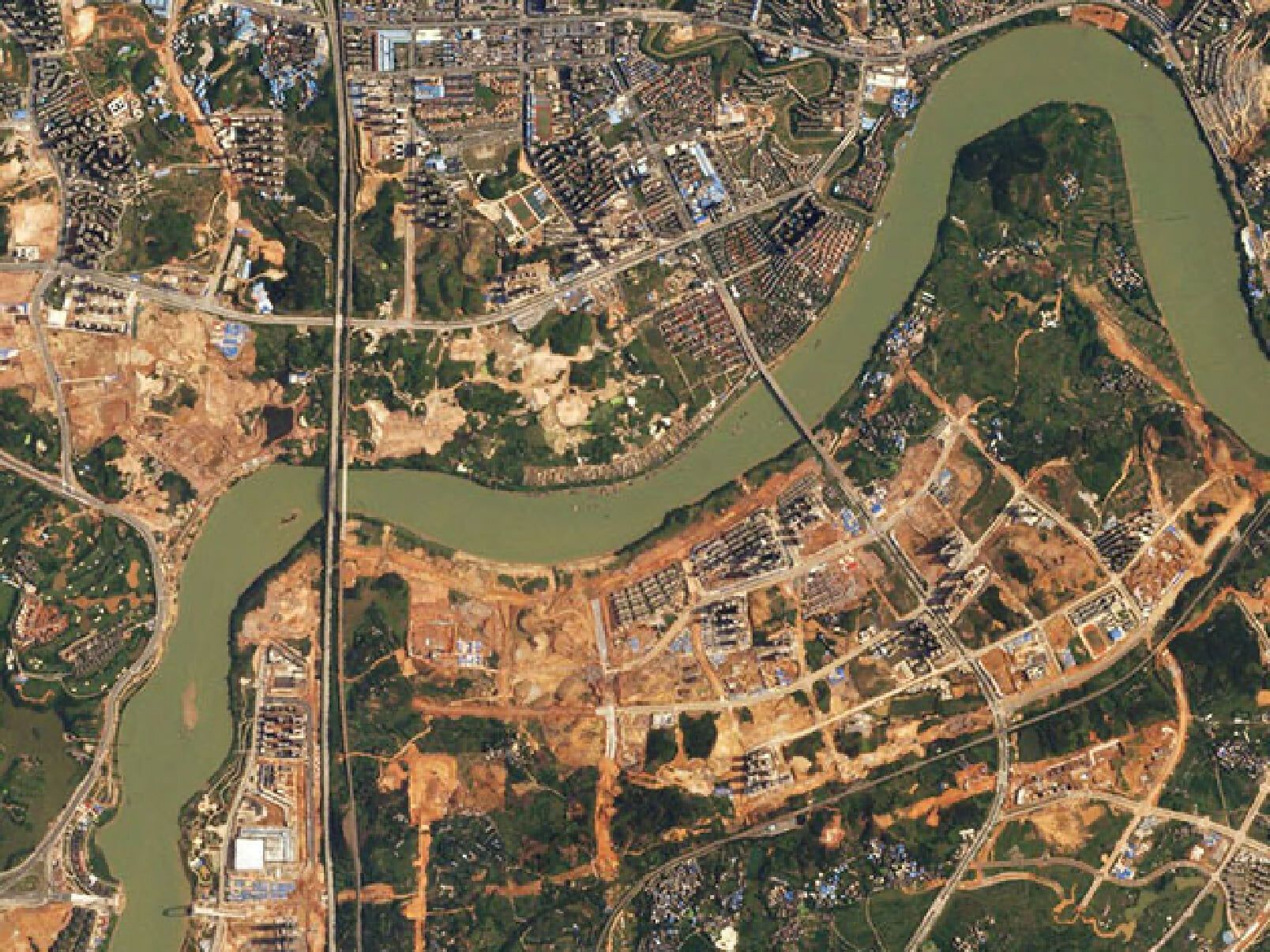
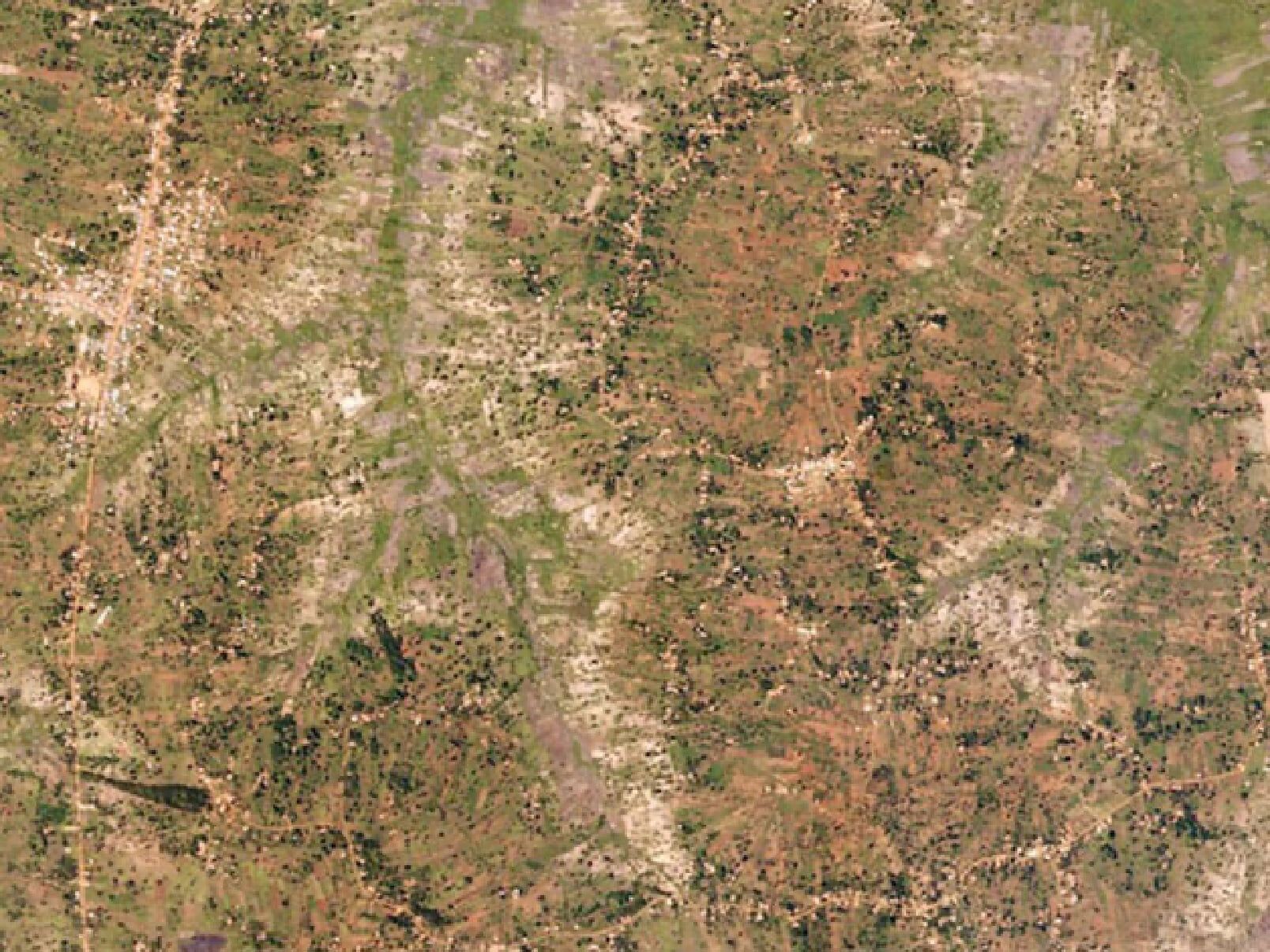
Study global change in realtime
Your field sites are changing every day. Now, you can access daily, high resolution imagery anywhere in the world to power your next breakthrough.
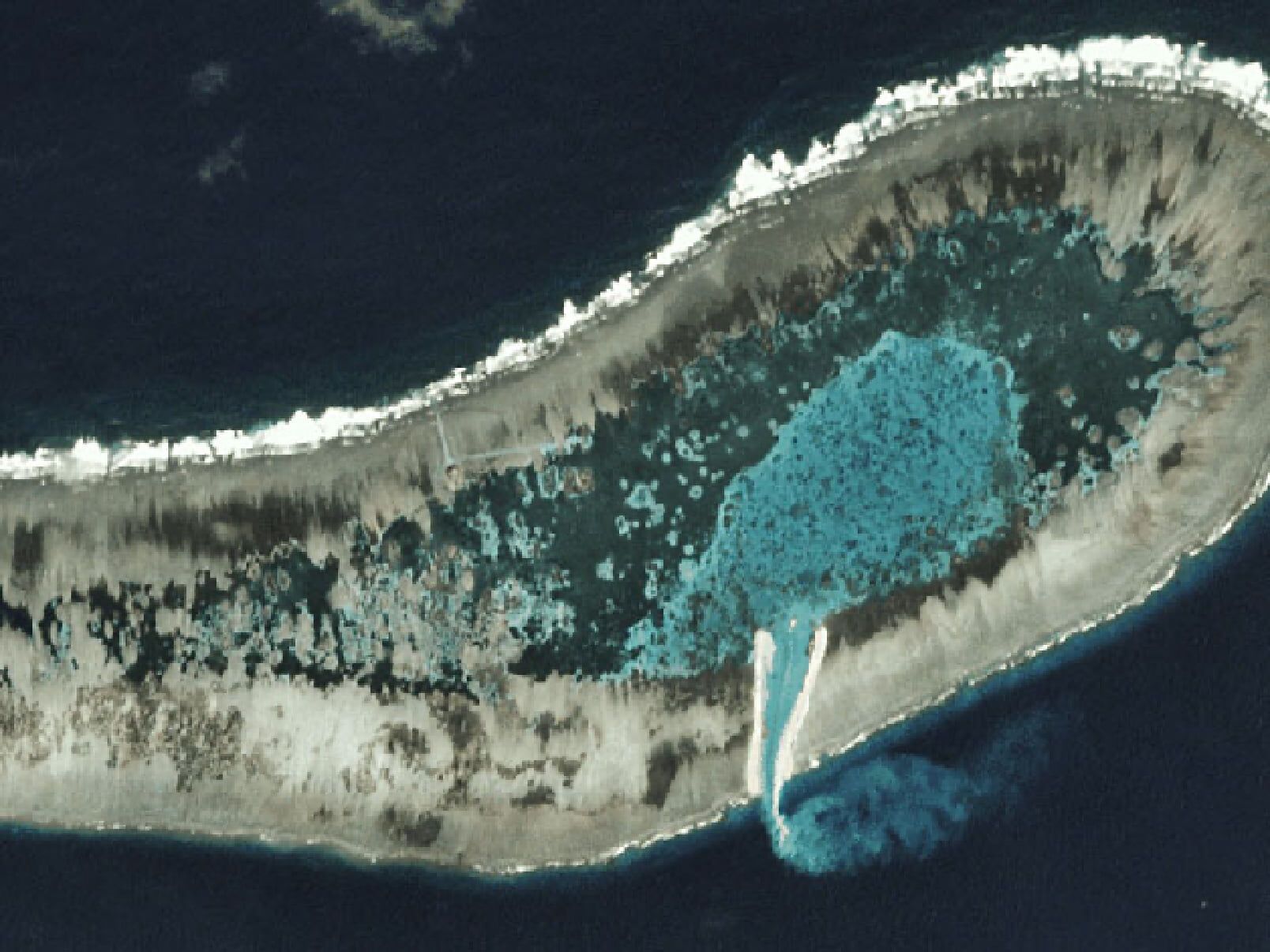
Uncover threats to reefs and other marine life
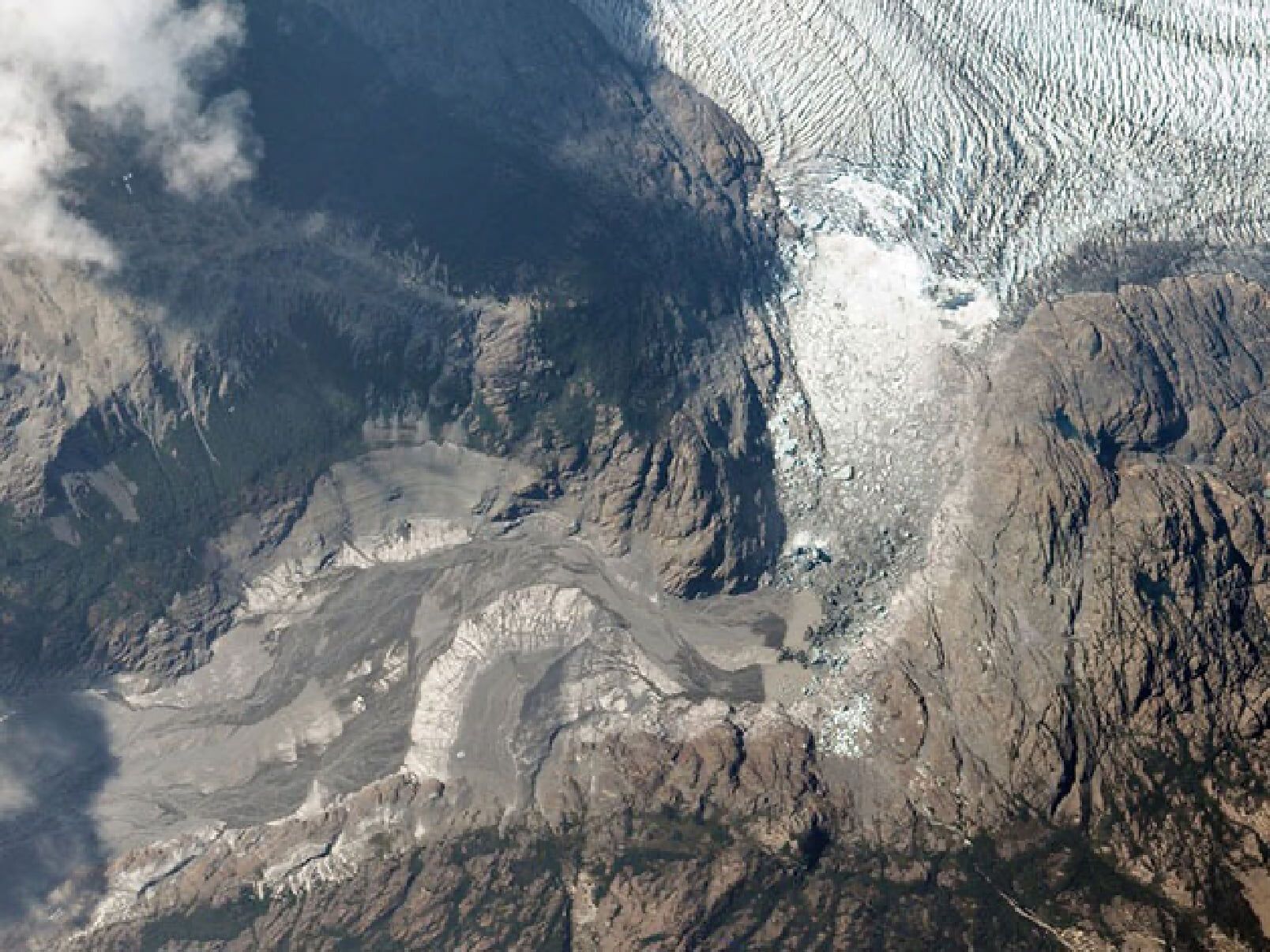
Monitor present and historical change to arctic rivers and glaciers
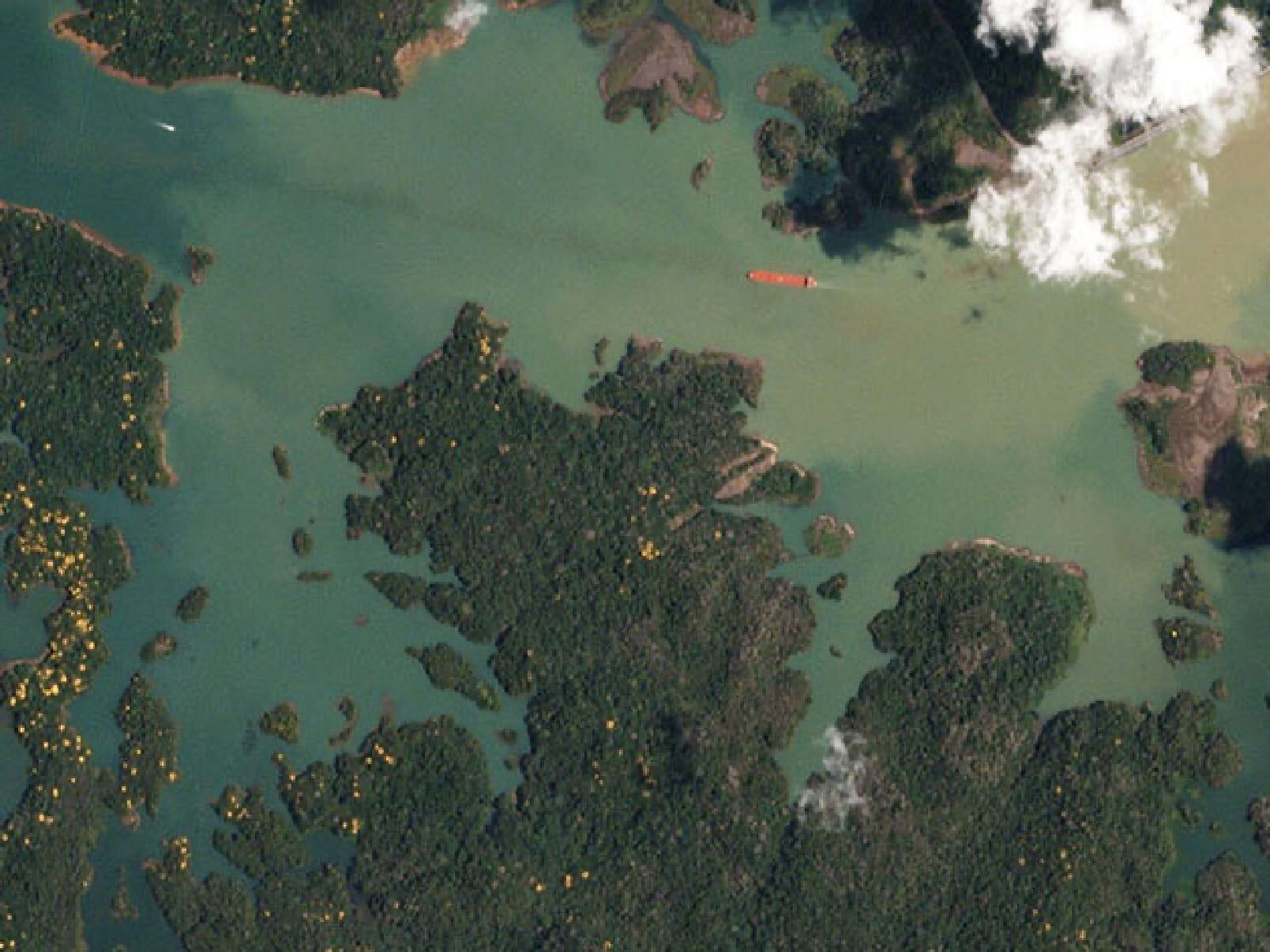
Study forest dynamics and identify deforestation
Monitor urban growth and geopolitical hotspots
Measure smallholder agricultural yields and global development
Derive insights across datasets
From economists to ecologists, join experts that are combining datasets, building new models, and developing analytics on the Planet platform.
Build object-detection algorithms to count, identify, and measure resources
Analyze economic indicators in the context of global markets
Integrate datasets to analyze geopolitical and socioeconomic activity
Enable multi-sensor fusion across datasets
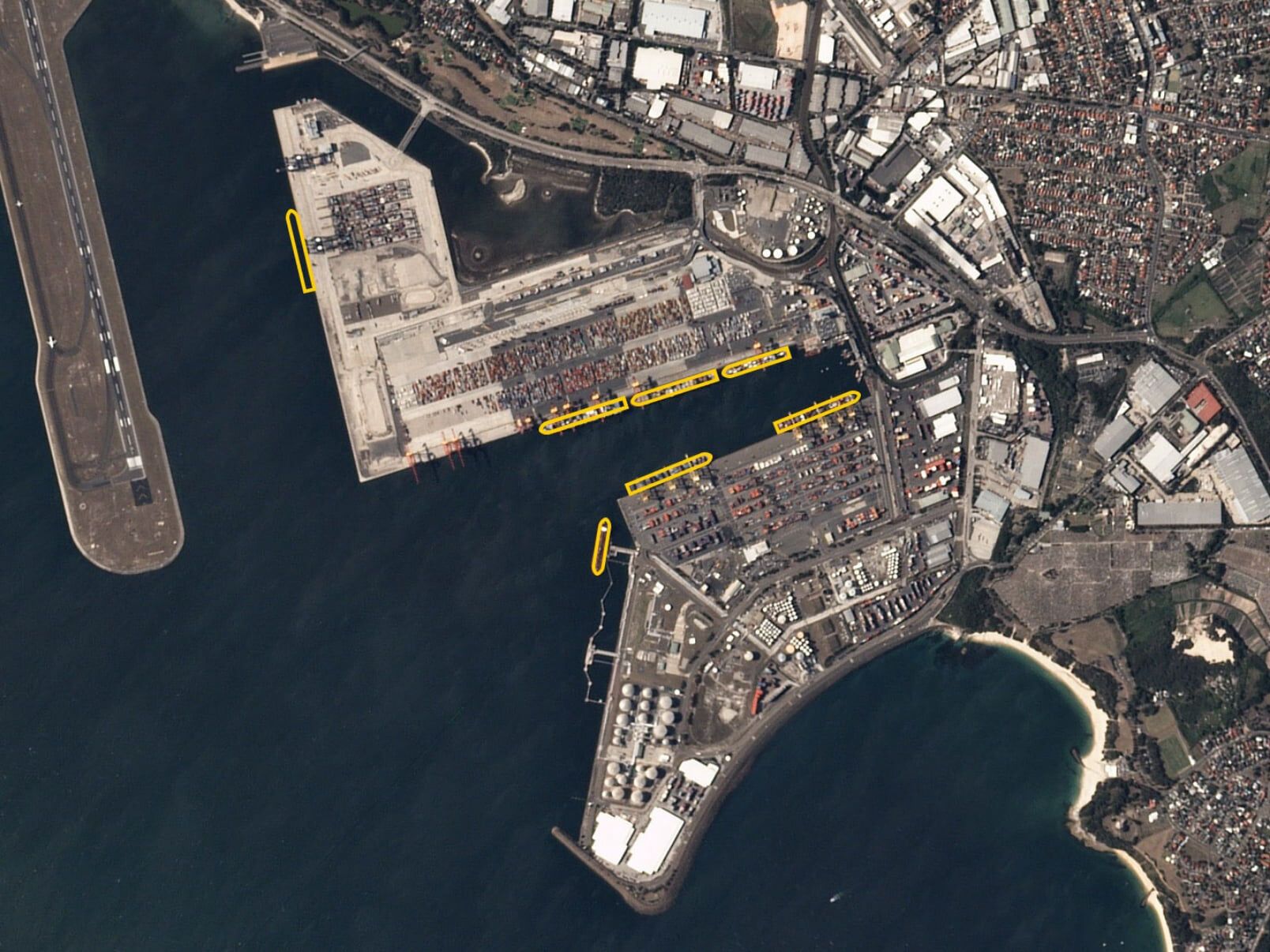
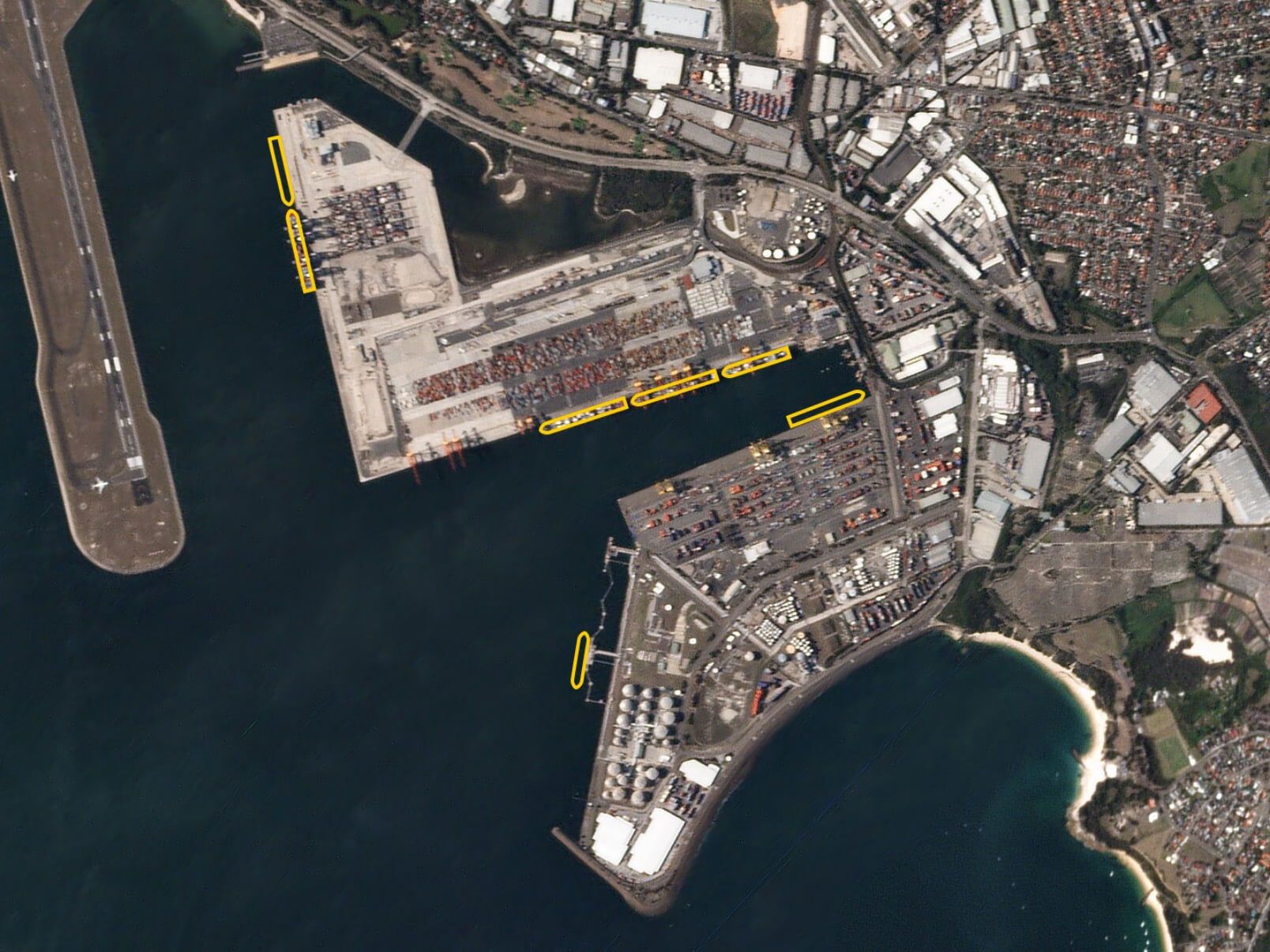
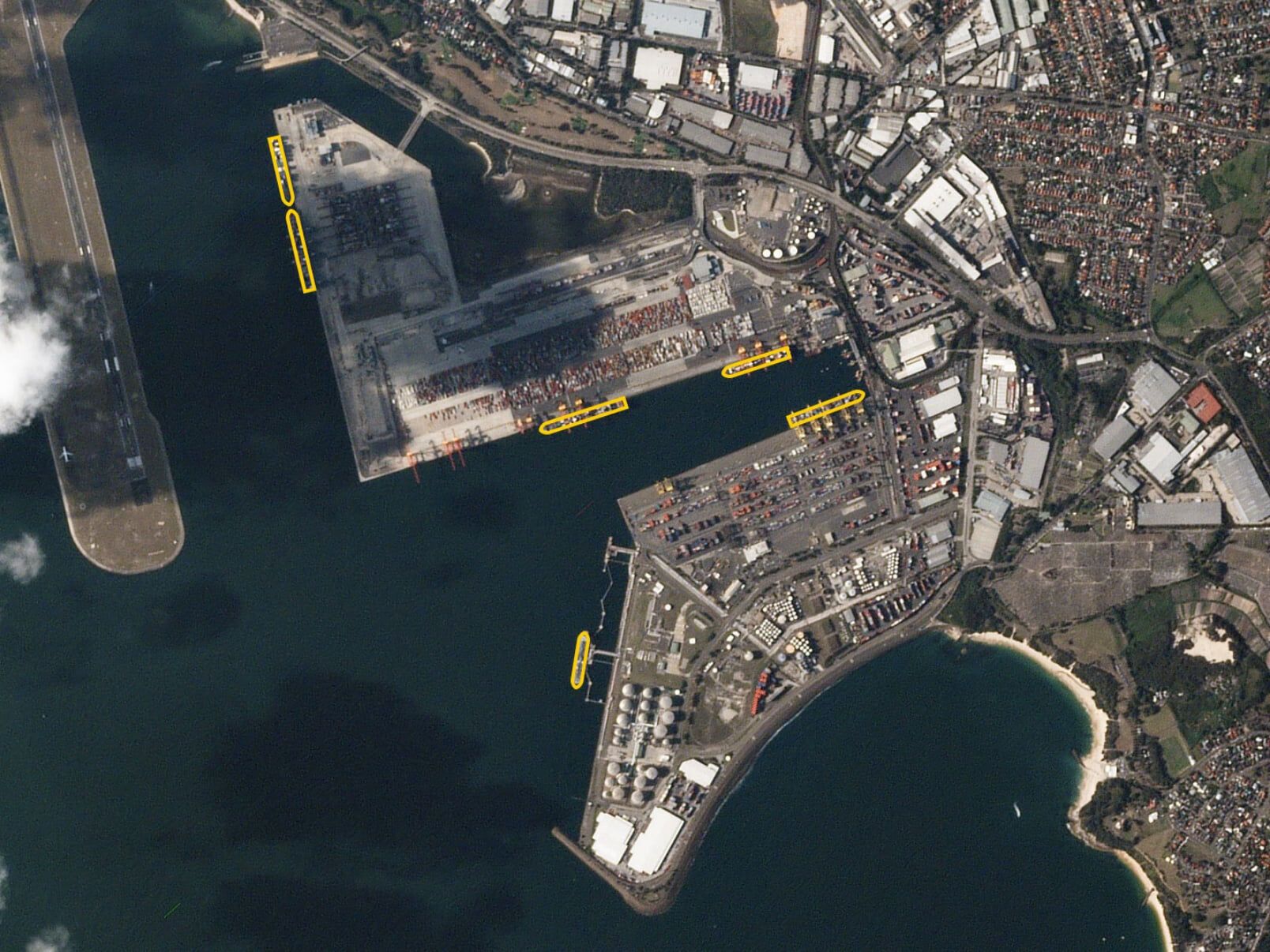
Botany Bay, Australia—Planet ship counting with daily global imagery*
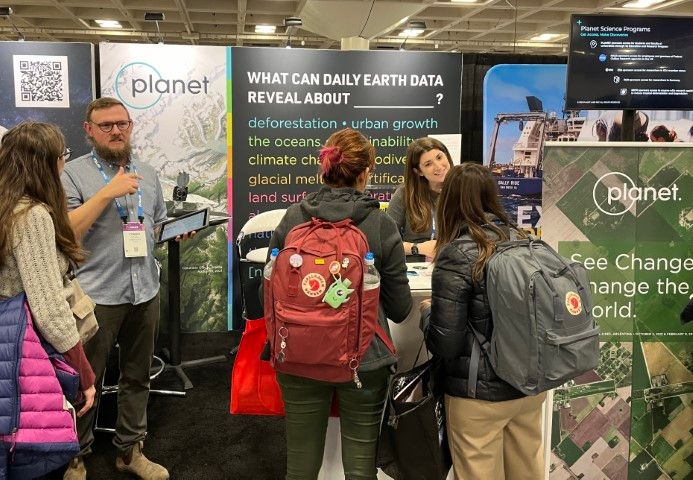
Educate for the insights economy
Our Campus License provides access to Planet data across the entire university ecosystem: from undergraduates to postdocs, lecturers to research specialists.
Collaborate across departments to uncover geospatial applications in new sectors
Develop curricula around realtime changes and world events
Easily administer account access and data provisioning
For the first time, scientists will have access to dense image time series from high-spatial-resolution satellite data.
JIM KELLNER
Brown University
Planet data could be a great tool to introduce Object Oriented Classification, or even a great lecture about the scale and data sources. Truly the options are endless!
RYAN FRAZIER
Weber State University
Level Up Your Research and Your Classroom with Flexible Program Offerings
Basic
Users
Students and Faculty
Download Quota
*3,000 km²/month PlanetScope & RapidEye Imagery
Global Mosaics
* 30 day delay for PlanetScope Imagery
License
Personal research license
Research
Users
Grantees and Research Teams
Download Quota
30 Million km2 / yr PlanetScope &
RapidEye Imagery
Global Mosaics
License
Administrative license
Campus
Users
Professors, Administrators and Your Entire Campus
Download Quota
100 Million km2 / yr PlanetScope & RapidEye Imagery
Global Mosaics
Archive High-resolution SkySat data
License
Administrative license
Planet Publications
Discover How Planet Products Are Used by Other Researchers
NEWSLETTER
Sign up for Planet Science Updates
Our monthly Science Update includes information on the latest news coming out of the research community through our NASA and Education and Research Programs, researcher training session announcements, funding opportunities, and more.
Answers to Your Questions About the Planet Education and Research Program
- 1.
Am I eligible for a Basic Account in the Education and Research Program?
At present, Planet is accepting applications from students, researchers, technical staff and faculty at accredited universities.
Nonprofit and government employees are not eligible for our E&R program. If you are a federal civilian agency researcher, check out our NASA CSDA program. For nonprofits, please see our Nonprofit Program. - 2.
What usage rights are granted with a Basic Account?
Users that are approved will have access to view and download up to 3,000 square kilometers of imagery per month for non-commercial research purposes. Derivative products created from downloaded images can be published for illustrative purposes with attribution, such as in figures in peer-reviewed manuscripts, blogs and similar content. Planet data may not be sold or used in the development of value-added products or tools that might be sold. - 3.
I need more than 3,000 square kilometers per month. How should I proceed?
Our team has developed site licenses, which support larger university applications and are competitively priced for the university community. Please let us know what your needs are via this form - 4.
What if I have a commercial use case in mind?
That's awesome! This just isn't the right license for that. Our sales team would love to hear from you via this form. - 5.
I represent a university. Can my whole institution apply for access?
Our team has developed the Institutional Account, which supports the whole university ecosystem. Please let us know what your needs are via this form. - 6.
Can I teach a course with a Basic Account?
Absolutely yes! At present, each user needs to apply for and secure their own account. In the future we plan to offer additional resources to educators. If you have a compelling classroom and curriculum that needs more centralized access, please get in touch. - 7.
How do I cite Planet data in my work?
With respect to publication of Derivative Products in general, Licensee will cite Planet as a source using the following guidance (subject to formatting requirements of any particular publication where Derivative Products may appear): "Planet Team (20xx). Planet Application Program Interface: In Space for Life on Earth. San Francisco, CA. https://api.planet.com." (where xx denotes the current year). - 8.
I am based at a research institution that is not affiliated with a university. Can I apply for a Basic Account?
The Education and Research program is designed for students, faculty, and staff at degree-granting institutions. For data access options for research institutes, please get in touch. - 9.
Where can I find resources to help me get started using Planet data?
Check out Planet University for pre-recorded trainings and live webinars, and Planet Community to ask questions of Planeteers and other users.
© 2026 Planet Labs PBC. All rights reserved.
| Privacy Policy | California Privacy Notice |California Do Not Sell
Your Privacy Choices | Cookie Notice | Terms of Use | Sitemap